Australian Cobberdog til salg
Leder du efter en Australian Cobberdog til salg i Danmark? Her finder du aktuelle hvalpe og voksne hunde fra både opdrættere og private sælgere. Sammenlign pris, alder og placering, og kontakt sælgere direkte.
0 kæledyr fundet

Ingen resultater fundet
Vi kunne ikke finde nogen resultater. Prøv at opdatere din søgning.
Gå ikke glip af noget!
Gem denne søgning, så giver vi dig besked, når der dukker nye kæledyr op.
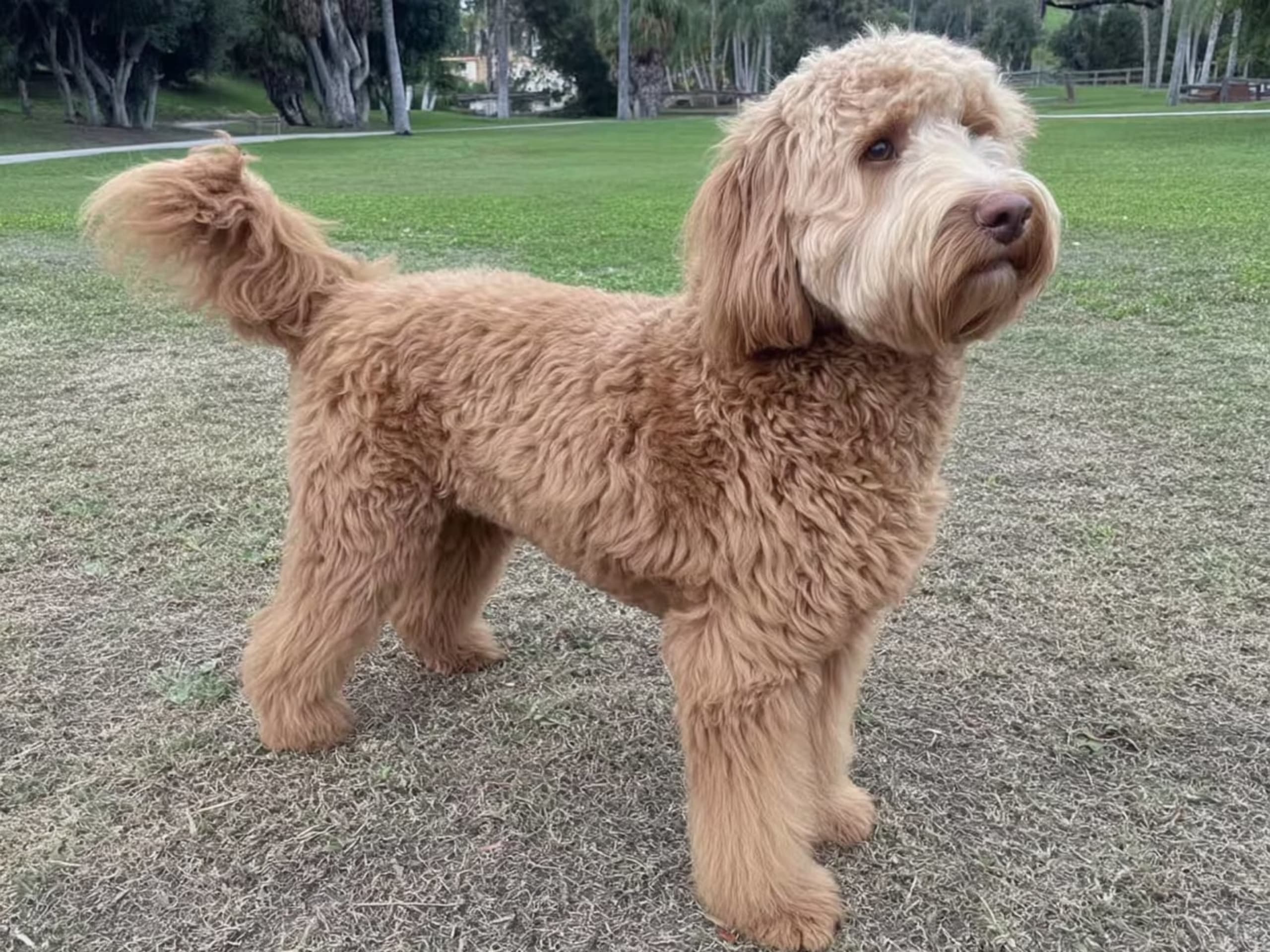
At købe en Australian Cobberdog
At købe en Australian Cobberdog er en stor beslutning, og det er vigtigt at føle sig tryg gennem hele processen. På Get a Pet kan du sammenligne aktuelle annoncer fra både opdrættere og private sælgere, se pris, alder og placering samt kontakte sælgere direkte.
Alle annoncer viser grundlæggende information om hunden, så du nemt kan vurdere, om den passer til din livsstil og dine rammer.
What is an Australian Cobberdog and how is it different from a Labradoodle?
It is a purpose-bred dog developed from Labradoodles and other breeds with a focus on therapy and assistance work. Unlike many Labradoodles that are bred mainly as designer pets, it has a developing breed standard, more predictable coat types, and a strong emphasis on stable temperament and low shedding.
Are Australian Cobberdogs really hypoallergenic and non-shedding?
They are typically low shedding and often better tolerated by people with mild allergies, but no dog is completely hypoallergenic. Their coat traps loose hair and dander, which reduces shedding in the home but requires regular grooming and brushing to prevent matting.
What is the typical temperament of an Australian Cobberdog?
They are generally gentle, people-focused, and highly intuitive, which is why they are often chosen for therapy or assistance roles. Most are sociable with strangers, bond closely with their families, and are sensitive to tone of voice and human emotions.
How much exercise does an Australian Cobberdog need each day?
Most need at least 60 to 90 minutes of physical activity combined with mental enrichment each day. They are active and intelligent, so a mix of walks, play, and training games suits them better than simply being left to roam in a yard.
What kind of grooming does an Australian Cobberdog coat require?
Their fleece or wool coats need thorough brushing several times a week to prevent mats, plus regular trimming every 6 to 8 weeks. Ears should be checked and cleaned routinely, as the dense, hair-filled ear canals can trap moisture and debris.
Are Australian Cobberdogs good family dogs for homes with children and other pets?
They are typically very family-oriented, patient, and tolerant, which can suit homes with respectful children. Most get along well with other dogs and pets if properly socialized, but their sociable nature means they may struggle in homes where they are left alone for long workdays.
What health issues are Australian Cobberdogs prone to?
Common concerns include hip and elbow dysplasia, certain eye diseases such as PRA, and some inherited conditions seen in retriever and poodle lines. Responsible breeders screen for these problems, but owners should still monitor joint health, weight, and eye condition throughout the dog’s life.
Do Australian Cobberdogs bark a lot or are they relatively quiet?
They are not typically nuisance barkers, but they are alert and may vocalize to announce visitors or when under stimulated. Good socialization and daily mental exercise help prevent boredom-related barking in this sensitive, people-focused breed.
What size do Australian Cobberdogs come in and how does size affect their care?
They are usually bred in miniature, medium, and standard sizes, ranging from small companion dogs to larger, more robust family dogs. Larger dogs need more space, stronger joint support, and slightly more exercise, while smaller ones may be easier to manage in city apartments but still require the same mental stimulation.
Are Australian Cobberdogs suitable for first-time dog owners?
They can be suitable for committed first-time owners because they are trainable, eager to please, and generally sociable. However, their grooming needs, strong attachment to their people, and high sensitivity mean they do best with owners who are willing to invest time in training, routine, and regular coat care.