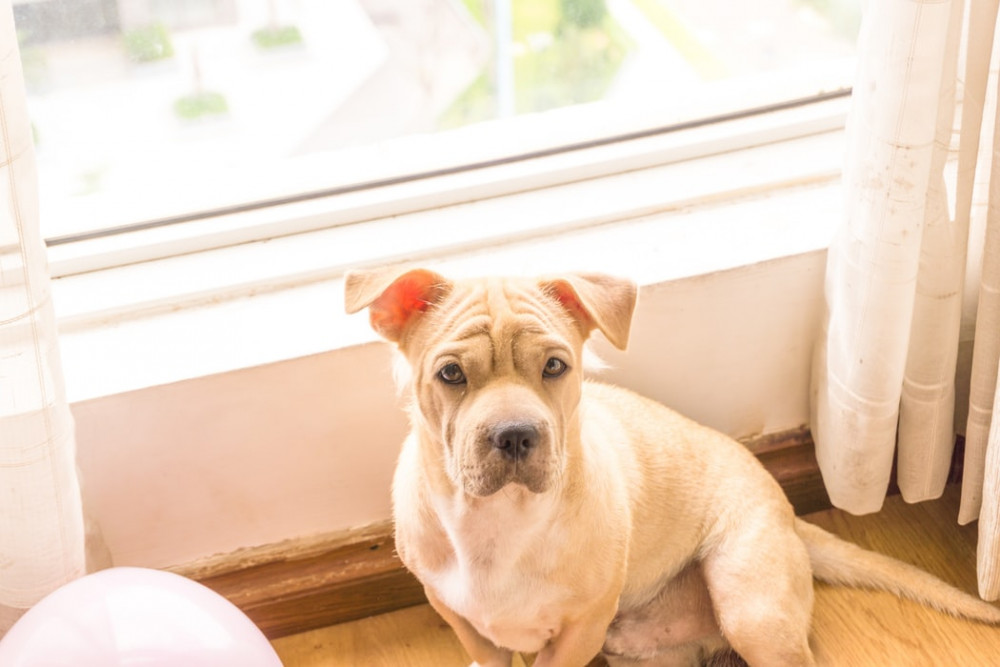

For your dog to feel safe and secure when home alone, you as the owner need to train and gradually accustom them to being by themselves. Without this training, it can lead to separation anxiety, which is unfortunately a very common problem among dogs today. A dog with separation anxiety can react in different ways, for example by howling, barking, or chewing up things in the home.
¶Safe space
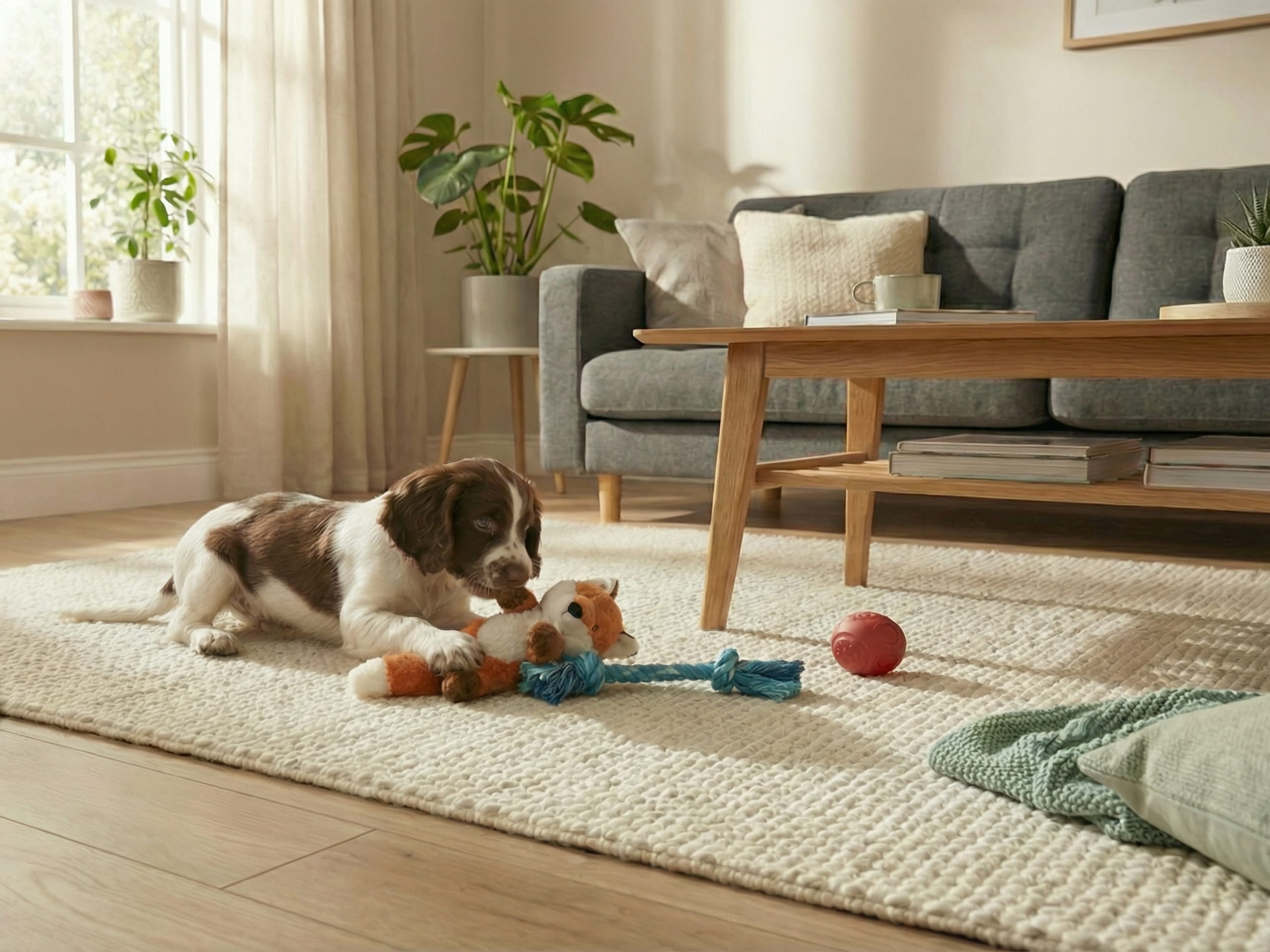
Create a safe space in your home for when you’re away. It’s a good idea to limit the area to a secure room where the dog has a calm and comfortable place to rest. It’s also helpful to leave out a few safe toys so they can play if they feel like it.
¶Start training as early as possible
Start training your dog to be alone as early as you can. At first, leave the dog alone for short periods and then slowly increase the time to match what your daily life requires. According to the Swedish Board of Agriculture’s general care guidelines, a dog must be taken out at least every six hours. If you know you can’t walk your dog that often, you should look into alternatives such as doggy daycare or ask a neighbor or relative for help.
¶Make sure your dog is well exercised
Give your dog a proper walk and some mental stimulation before leaving them alone. The more you walk and engage your dog, the more likely they are to be tired and take a nap while you’re gone.
¶Don’t make a big deal out of it
Don’t fuss over your dog right before you leave. You shouldn’t make a big deal out of the fact that you’re going out and leaving them alone. Instead, give your dog a few little “tasks” to work on before you go, such as searching for scattered pieces of food, and then say goodbye as if it were nothing special that you’re leaving the house.
¶More help
If your dog suffers from separation anxiety, you should contact a dog behavior specialist. It can be both prevented and treated. There are veterinary clinics that offer help with this.